Why Your Joints Ache After Running

Running is a high-impact sport admired for its simplicity, but beneath the surface, it places substantial stress on your knees, hips, and muscles. Whether you're training for a marathon or jogging daily, the repetitive motion over time can lead to knee cartilage wear, inflammation, and chronic muscle fatigue — especially if your protein intake or recovery nutrition is lacking.
Many runners begin to feel unexplained joint aches, stiffness after long runs, or even reduced performance in their 30s or 40s — without realizing they may be under-fueling their muscles and neglecting recovery.

Common issues runners face include:
Without proper intervention, these can lead to long-term mobility issues or even force runners to give up the sport entirely.
Here’s where strategic nutrition and muscle care come into play. One key area most runners overlook? Protein.After endurance workouts, your body needs high-quality protein to rebuild muscle fibers and nutrients like calcium, magnesium, and vitamin D to support joint and bone health.
Alongside protein, HMB (β-Hydroxy β-Methylbutyrate) plays a unique role in reducing muscle breakdown. It’s especially valuable for endurance athletes over 30, when muscle preservation becomes more challenging.
Start tracking:
Notice trends in fatigue or discomfort? Your body may be undernourished, even if you eat regularly.

Within 30–60 minutes post-run, consume a protein-rich shake or meal. This is when your body is most receptive to repair nutrients.
Add light resistance work for glutes, quads, hamstrings, and calves to improve joint stability and reduce injury risk.
Include omega-3-rich foods or supplements and magnesium to manage exercise-induced inflammation.
Worn-out shoes or hard surfaces increase knee stress. Replace shoes every 500–800 km.
Use targeted nutrition support with HMB, collagen (UC-II®), protein, and micronutrients that aid both muscle recovery and joint lubrication.
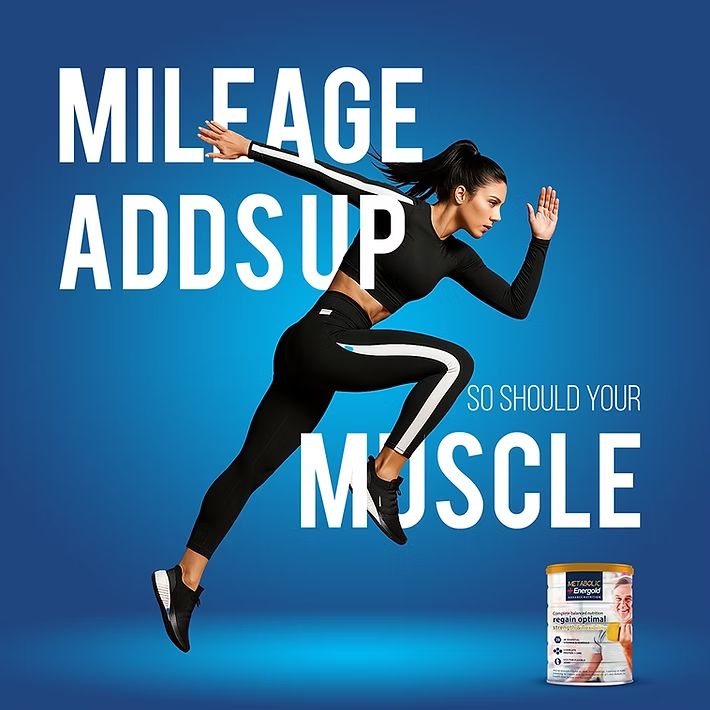
Metabolic+ Energold is designed to support endurance athletes like you — who don’t just want to run today, but keep running for years.
Each serving provides:
✔️ Kobayashi HMB to reduce muscle breakdown and speed recovery
✔️ UC-II® Collagen to support joint flexibility and reduce cartilage wear
✔️ 28 essential vitamins and minerals to nourish your body from within
✔️ High-quality protein to repair and preserve muscle
✔️ Prebiotic FOS to improve digestion and nutrient absorption
Whether you're training for your next big race or just want pain-free morning jogs, Metabolic+ Energold helps keep your muscles and joints strong, day after day.
We’re here to support your health journey. Reach out to our team for product guidance, nutritional advice, or partnership inquiries — we’re always ready to help.